

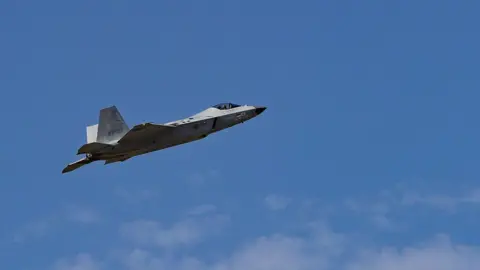
South Korea has filed a protest with the Chinese and Russian military representatives stationed within the country, a day after their warplanes flew into its air identification zone.
South Korean authorities stated it sent up fighter jets to "take tactical measures in anticipation of any contingencies" after seven Russian and two Chinese warplanes "transited through the zone on Tuesday, but clarified they "did not encroach upon" the nation's airspace.
Some countries delineate air identification defence zones, where they mandate foreign planes to declare their presence. These zones do not constitute part of national air territory under global legal frameworks.
Specifics Regarding the Aerial Encounter
The Russian planes entered Korea's Air Defense Identification Zone (Kadiz) near Ulleung Island and Dokdo, while the Chinese planes approached near Ieodo, a military official reported.
The aircraft from both nations then reassembled in the airspace near the Japanese island of Tsushima Island, the official continued.
"South Korean forces will actively respond to aerial movements from neighbouring countries in the Kadiz following established global norms," South Korea's defence ministry affirmed.
Ongoing Sovereignty Disputes
Japan alongside South Korea have laid claims to the Dokdo islets, as has North Korea.
The Ieodo rock - a submerged rock above the Jeju Island - is a point of dispute between South Korea and China, both of which have incorporated it in their air defence zones.
China and Russia's Response
China on Wednesday confirmed that its air force had executed a joint patrol with Moscow in the Western Pacific and East China Sea airspace.
The drill was part of an "annual cooperation plan" between Beijing and Moscow to "respond to localised threats and uphold peace and security in the region," commented a national defence spokesman.
China and Russia have entered into South Korea's ADIZ unannounced on a number of times since that year, frequently amid similar exercises.
Moscow does not recognise South Korea's ADIZ, labelling it "independently established" and maintaining it should therefore not impose legal duties for foreign states.


